Showing posts with label Biofeedback Instruments. Show all posts

Wednesday, 30 September 2026

Alive Pioneer for emWave & iFeel sensors

If you have an emWave, emWave Pro, or emWave2 sensor and wish to add Alive Pioneer iFeel Sensor Benefits

  • Comfortable and Easy to Use Finger and Ear Sensors

Information for Professionals

  • Works with Alive, Alive Clinical and Alive Pioneer

Read More About : Alive Pioneer for emWave & iFeel sensors

Tuesday, 20 February 2024

Mind-Body Connection: A Deep Dive into Biofeedback Seminars

Understanding Biofeedback:
Biofeedback is a process that involves monitoring physiological signals from the body, such as heart rate, muscle tension, and skin temperature, and providing real-time feedback to help individuals learn how to regulate these functions. Through biofeedback, participants gain awareness and control over involuntary bodily processes, ultimately promoting relaxation, stress reduction, and overall mental and physical wellness.

Exploring the Seminar Experience:

Biofeedback seminars provide a structured and immersive environment for participants to delve into the intricacies of their mind-body connection. Skilled facilitators guide attendees through various techniques, helping them recognize and modulate physiological responses.

These seminars often include:


Education on Physiology:
Understanding the body's physiological responses lays the foundation for effective biofeedback Seminars typically offer insights into how stress affects the body and the science behind biofeedback technologies.

Hands-On Training:
Participants engage in practical exercises using biofeedback devices to monitor and adjust their physiological responses. This hands-on experience is crucial for translating theoretical knowledge into practical skills.

Mindfulness and Relaxation Techniques:
Biofeedback seminars often incorporate mindfulness and relaxation practices, teaching participants how to achieve a state of calm and balance. These techniques can be applied in various aspects of daily life.

Customized Feedback Plans:
Facilitators work with individuals to create personalized feedback plans based on their specific needs and goals. This tailored approach enhances the effectiveness of biofeedback training.

Benefits of Biofeedback Seminars:
Participating in biofeedback seminars can yield numerous benefits, including:

Stress Reduction:
By learning to manage physiological responses, individuals can effectively reduce stress levels, promoting better mental and emotional well-being.

Enhanced Performance:
Athletes, professionals, and individuals seeking to optimize their performance can benefit from biofeedback seminars, as they learn to control physiological functions for peak performance.

Improved Health:
Biofeedback has been shown to have positive effects on various health conditions, including headaches, chronic pain, and hypertension. Seminars offer a non-invasive and drug-free approach to improving health outcomes.

Increased Self-Awareness:
Participants develop a heightened sense of self-awareness, gaining insight into how their thoughts and emotions impact their physical well-being. This awareness forms the basis for ongoing personal growth.


Wednesday, 27 September 2023

Using Biofeedback to Learn Better Breathing | biofeedback Health Training Seminars

Breathing is an essential function that impacts our physical and mental well-being. Even though it is vitally important, many of us pay little attention to the way we breathe. However, with biofeedback technology, there is a growing interest in using this innovative approach to teach and optimize breathing techniques. Biofeedback is a cutting-edge method that provides real-time data about physiological processes, enabling individuals to gain greater control over their bodily functions. Let’s explore how biofeedback can be a powerful tool for mastering the art of breathing.

ABOUT BIOFEEDBACK

Biofeedback is a technique that allows people to monitor their physiological responses and gain insight into their body’s activities and responses. Using specialized equipment, such as sensors, electrodes, or monitors, biofeedback captures data on various bodily functions, including heart rate, skin temperature, muscle tension, and breathing patterns. The data is then presented in a user-friendly manner, allowing individuals to recognize and modify their bodily responses in real-time.

BENEFITS OF BIOFEEDBACK FOR BREATHING

Biofeedback offers several advantages for those seeking to enhance their breathing techniques:

Heightened Awareness: Biofeedback enables individuals to become more aware of their breathing patterns, often revealing irregularities or inefficiencies that they otherwise would not notice.

Real-Time Feedback: With instant feedback on their breathing, people can make immediate adjustments, leading to faster learning and improved performance.

Personalized Training: Biofeedback allows for personalized breathing training based on an individual’s unique physiological responses, providing more effective results.

Stress Reduction: By mastering proper breathing techniques, one can lower stress levels, reduce anxiety, and promote a sense of calm and relaxation.

Get  More Information seminar Page : biofeedback Health Training Seminars

Websites : https://biofeedbackinternational.com/

Get More Info : APA Continuing Education Credit


Monday, 18 September 2023

Biofeedback Training for Mental Health Disorders

Mental health disorders including anxiety, PTSD, and depression seem to have become more widespread over the past several years.  Is it that more information has become available and there is less of a stigma for people to seek mental health services?  Is it a combination of effects of the pandemic, mass shootings, and national and international unrest?  Whatever the reason is, the fact is that help is needed.  Biofeedback training is among the many effective tools that mental health professionals can use to help people suffering from mental health challenges.

Psychologists and other mental health providers tend to do a lot of talking and paperwork as a part of their routine.  Some of this can become monotonous.  Biofeedback can introduce technology that helps the clients of mental health providers to learn about themselves.  It helps them to learn how to make real, physiological, measurable changes.  They learn to change how their body reacts to stress using biofeedback.


Get  More Information seminar Page : Biofeedback Seminars

Websites : https://biofeedbackinternational.com/


Thursday, 13 August 2020

Hypertension Biofeedback and Neurofeedback Protocols

According to the American Heart Association web site statistics, almost half of the adult population in the United States of America can be considered to have high blood pressure.  A hard to believe 45 percent of those who have hypertension do not have it adequately controlled.  That sounds pretty terrible to me.  Even with all of the medications that are prescribed such a low number of people have their blood pressure under control.  Many people are even prescribed 2 or 3 or even more blood pressure medications to attempt to bring the levels to an acceptable level.  This tells me that it is not a simple problem.  Medication alone may not be enough to normalize blood pressure.  Even when medication does normalize blood pressure it may not be the best long-term solution. There are many things that can elevate blood pressure that should be addressed in order to help normalize blood pressure.

Here is a link to a PDF file that lists and discusses things that could increase blood pressure, Blood Pressure Raisers, Learn what could raise your blood pressure:  https://www.heart.org/-/media/files/health-topics/high-blood-pressure/tylenol-hbp/bp-raisers.pdf?la=en

It mentions things like sodium, caffeine, alcohol, antidepressants, decongestants, amphetamines, and corticosteroids.


You could also add smoking, obesity, and a sedentary lifestyle to the list.

There are many applications that biofeedback and neurofeedback are used for.  Effectiveness varies for different conditions.  There is a document titled Evidenced Based Practice in Biofeedback and Neurofeedback, which is available from the Association of Applied Psychophysiology and Biofeedback, AAPB, aapb.org.  The latest edition is 2016.  There are 2004 and 2008 editions floating around on the internet in PDF format.  You can purchase the latest 2016 edition at aapb.org.  It rates biofeedback efficacy on a scale of 1—5, 1 being the least effective and 5 being the most effective.  Biofeedback for hypertension has a rating of 4 which is a very good rating, up there with tension and migraine headaches and ADHD read more...

Get More Info : Click Here : Biofeedback Training Florida 

Friday, 10 July 2020

Neurofeedback Home Training

Neurofeedback training has been shown to be effective for helping people with conditions like ADHD, insomnia, anxiety, seizures, and brain injuries.  Clients usually visit a neurofeedback professional 1-3 times per week for a series of anywhere from 10-30 or even more sessions.
Some people have asked about devices that they can use themselves at home.  It is not something that I would decide on lightly.  Neurofeedback providers are cautioned to be careful when working with clients even if they are trained and experienced.  It would make sense that an untrained layperson should be even more careful when working on their own brain or the brain of a family member.  Not that they are invasively working on the brain as with surgery.  They are rather working on the brain through training changes in the electrical impulses that allow the neurons to communicate and make things happen in the brain.  This is very important stuff and you don’t want to make mistakes with it if you can avoid doing so.
Neurofeedback professionals study brain anatomy and function and many different subjects related to neurofeedback.  If they are BCIA certified they need to meet several requirements including completing a neurofeedback training course, running a minimum of 100 practice sessions, and being mentored for at least 25 hours to make sure they are doing things correctly.  It is not reasonable that a person who hasn’t done any of this would be able to simply purchase a device and start using it after reading a simple instruction manual.
Best practices in neurofeedback now include the client having a 19-channel EEG cap brain map done which includes protocol recommendations.  The protocol includes what part of the brain is to be trained (sensor or electrode site) what frequencies are to be trained to be increased or decreased (Delta, Theta, Alpha, Beta, etc.) at a minimum.  Other things like synchrony and coherence may also be included in the protocol.  Just buying a device and randomly deciding to place the sensor or being limited to one or two possible predetermined sites is not at all the same as deciding what to do by assessment.
If a client wants to do home training it is recommended that they see a professional for a brain map or at least an assessment of selected sites.  They should also do at least a few neurofeedback training sessions with the professional and then have the professional help them decide on home equipment that will enable them to continue the correct protocol at home.  They should continue to consult with the professional as they do the home training.  Most good home training equipment will allow for uploading or emailing of reports to the professional for review and additional guidance.  It is also possible to do virtual sessions so the professional can watch the session being done live.
The final thing I want to discuss briefly is the quality of the equipment.  Questions you should get answered include:
Does the equipment allow you to select the scalp training sites or are you limited to one site?
Can you or your professional neurofeedback consultant set and adjust the protocol or is it one size fits all?
Does the software show the raw EEG signal so that you can know if you have a quality, clean signal or one that is so noisy it is unreliable or even unusable?
Can you share data with a professional neurofeedback consultant for their input and feedback?
Does the equipment manufacturer or dealer offer technical support if you have problems or questions?
Can you clearly tell the difference between when you are meeting the training goals compared to when you are not?
This information will help you choose a device that will be more effective for you.  I hope this has been helpful.  Please contact me if you have any questions about this subject.
Harry L. Campbell
Author of What Stress Can Do, Available on Amazon.com
Biofeedback Resources International Corp.
Get More Info : Visit Here : neurofeedback training Florida 

Friday, 21 February 2020

Attention Or Sleep, Problems with Sleep related to ADHD


You wouldn’t want to have to make that choice for children.  Many children diagnosed with ADHD are prescribed medications to help with the symptoms.  Some popular medications in use are Ritalin, Concerta and Adderall.  These medications are helping some people.  The drug companies themselves are listing sleep problems as a possible side effect.
According to a November 23, 2015 online article in Pediatrics, research analysis led by Katherine Kidwell of the University of Nebraska-Lincoln found that children given stimulants tended to have sleep problems more often.  One of the studies compared the sleep of children given methylphenidate (generic Ritalin) with children given a placebo.  The children who took the generic Ritalin slept an average of 20 minutes less per night.  They also found that taking a stimulant medication more often during the day caused a child to take longer to fall asleep at night.
Dr. Trevor Resnick, who is chief of pediatric neurology at Nicklaus Children’s  Hospital in Miami says that it is extremely important  that all children get a good night’s sleep for healthy brain development.  It is his belief that only a small percentage of children will develop problems related to ADHD medications though.

Wednesday, 25 September 2019

The Power of Psychophysiological Stress Profiling

A PSP provides a great deal of useful information and helps our clients understand why they are doing biofeedback, what the starting point is, what the goals are, and why. So why don’t more biofeedback providers use them?

What is a psychophysiological stress profile?
A PSP is a baseline test in which we record multiple biofeedback modalities usually including surface EMG, skin temperature, skin conductance, respiration, and heart rate/heart rate variability. Sometimes other modalities like blood pressure, end tidal CO2, and EEG are also included.

The recording starts with a baseline period during which the subject is instructed to relax with no specific guidance. This is followed by a series of stress and recovery periods. All signals are recorded, data is saved and signals are graphed. At the end of the test we do a basic review of the results with the client. We point out any levels that showed dysregulation during the baseline period and those that became dysregulated or more dysregulated during stress. We also discuss if there was return to baseline during the recovery period. This indicates how well a person recovers after experiencing stress.

How is a PSP useful?
The information we gather from a PSP is useful in a variety of ways.
Baseline levels show if there is residual stress reaction in the person. High muscle tension or skin conductance levels or low hand temperature or heart rate variability can mean that the person is in a state of stress and tension even when attempting to relax.

Changes that occur during stress periods of the PSP can indicate which modalities react more and if they seem to be related to the type of symptoms the person is presenting with.

Return to baseline or lack of return to baseline can indicate how well the person recovers from stressful situations prior to biofeedback therapy. If they are not returning to baseline then it shows them that they have something to improve on.

If you can show that the modalities that are dysregulated have a logical connection to the client’s symptoms then it helps to make the case for biofeedback being a potentially useful therapy for them. It also helps them to “get” the connection between how they are reacting to stress and their symptoms. Many clients are relieved to see that their problems are not “all in their heads”. Seeing measurable evidence is in some way reassuring to them.

The data also gives the biofeedback provider a starting point for therapy planning. It helps in choosing which modalities to work with and setting goals for the ones you decide to work on. Using Psychophysiological Stress Profiling is a better way to do biofeedback. It is much better than just deciding which modality you are going to work with before you have this valuable information. The textbook recommendation although usually good does not take into account To learn more about Psychophysiological Stress Profiles click on the link to view a segment on the subject from one of our live seminars.

Harry L. Campbell
Biofeedback Resources International Corp.
914-762-4646

Wednesday, 30 January 2019

360 Suite | EEG biofeedback

The 360 suite is a complete package of physiological monitoring and self-regulation tools designed for health care professionals who want to incorporate psychophysiological methods into their practice. The suite combines classic physiological biofeedback (arousal and peripheral temperature) with heart rate variability training (HRV) and neurofeedback protocols (EEG biofeedback) into one integrated package.

The suite’s broad selection of tools includes:
  • Specialized physiological assessments
  • Self-regulation training screens
  • Biofeedback assisted relaxation therapy sessions
Suite content

The 360 Suite was designed with a number of priorities in mind, all intended to help you integrate biofeedback and neurofeedback methods into your practice with ease.

Easy to understand and use: The 360 Suite doesn’t assume a high level of experience with physiological monitoring and biofeedback equipment. Predefined Quick Start sessions allow you to get up and running within minutes. A complete reference manual helps you learn how to use the hardware and software without difficulty.

Clinically relevant: The 360 Suite is designed from a clinical perspective and its biofeedback and neurofeedback tools are arranged and organised in a way that parallels clinical thinking. This makes locating the best tool for the task as intuitive as possible and greatly reduces the initial learning curve.
Organised by body system: Based on your client’s presenting complaint, you can determine what body system is most affected and pick the appropriate assessment and self-regulation tool for the task.

THE NEW 360 SUITE THINKS LIKE YOU

Five key body systems are covered with the 360’s assessment and self-regulation tools. All you need to do is what you’re already good at: discuss your client’s symptoms and goals. Based on their situation, select the appropriate system and we take care of the fest with tailored evaluation and training.

A SUITE THAT GUIDES YOU

BioGraph Infiniti 360 includes the most clinically oriented suite we’ve ever offered. The suites tools are categorized and customized by body system: Respiratory. Cardiovascular. Central nervous system (CNS). autonomic nervous system (ANS). and Muscular. Based on the clients condition, you select the affected system and the 360 points you in the right direction for your intervention. 

FEATURES

  • Based on published research compiled by AAPB.
  • Examine breathing, heart rate variability. arousal. skin temperature. muscle tension. EEG. and/or passive infrared HEG.
  • Engage your client with movies or online video content.
  • Available as starter, intermediate. or expert systems.
More Info: Neurofeedback Equipment

Wednesday, 28 November 2018

Professional Peripheral Biofeedback BCIA Program

Professional Peripheral Biofeedback BCIA Program

Training Dates and Locations

Continuing Education Credit Available

Health Training Seminars, a division of Biofeedback Resources International is approved by the American Psychological Association to sponsor continuing education for psychologists. Health Training Seminars maintains responsibility for this program and its content.
BCIA Certification Requirements

Professional Peripheral Biofeedback BCIA Program

JAN 17-19, 2019 – Miami, FL
April 12-14, 2019 – Hawthorne, NY
June 22-24, 2019 – Houston, TX
July 19-21, 2019 – Hawthorne, NY

Price: $1195

Our new style of seminar is designed to teach clinicians biofeedback fundamentals and cutting-edge applications. For better use of your time, the seminar will be a combination of 3-day classroom, home study and web-based training.

BRI Seminars Registration Form

Send payments to:

Biofeedback Resources International
109 Croton Ave, 2nd Fl, #5

Ossining, NY 10562-5102

FAX: 914-762-2281

Please fill out the following and return. Print all information
Name as you would like it for the certification with any initials or credentials

Registration Form Click Here

Professional Peripheral Biofeedback BCIA Program

This innovative seminar is designed to teach clinicians biofeedback fundamentals and cutting-edge applications. This program covers all 48 hours of the BCIA Didactic Biofeedback Education requirement through powerful demonstrations of biofeedback and adjunctive procedures, imaginative hands-on lab exercises with multi-channel computerized equipment, professional multimedia presentations and comprehensive review materials. This program integrates personal hands-on training with equipment with didactic presentation.

Participants will learn:
    • The foundations of biofeedback
    • Physiological basis and recording of surface electromyography (sEMG), temperature, electrodermal activity (EDA), respiration patterns (strain gauges and pCO2), electroencephalography (EEG), peripheral blood flow (BVP), heart rate and respiratory sinus arrhythmia (RSA) and economic biofeedback approaches (including incentive inspirometers and scales)
    • How to identifying artifacts and determining appropriate recording
    • How to record and interpret data
    • How to perform a psychophysiological profile and pre and post data comparison
    • The use of adjunctive techniques such as progressive relaxation t raining, autogenic training, imagery, guided breathing, desensitization, mindfulness training, quieting reflex.
    • The role of home biofeedback devices such as Freeze framer, Wild Divine and GSR2
    • Overview of clinical and educational applications

 Official Website: Behavioral Health Seminars

More Event Info: Biofeedback Instruments

Friday, 16 November 2018

ProComp Infiniti | EEG biofeedback

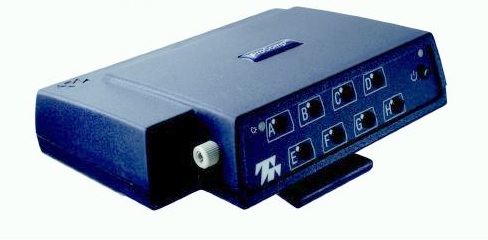
The ProComp Infiniti is an 8 channel, multi-modality encoder that has all the power and flexibility you need for real-time, computerized biofeedback and data acquisition in any clinical setting.

The first two sensor channels provide ultimate signal fidelity (2048 samples per second) for viewing RAW EEG, EMG and EKG signals. The remaining six channels (256 samples/sec) can be used with any combination of sensors, including EEG, EKG, RMS EMG, skin conductance, heart rate, blood volume pulse, respiration, goniometry, force, and voltage input.

ProComp Infiniti(TM) offers internal, user-activated calibration to ensure that you can always obtain the highest quality signal, without the costly downtime associated with factory re-calibration.

In short, the ProComp Infiniti covers the full range of objective physiological signals used in clinical observation and biofeedback.

Housed in an ergonomically designed case and requiring only a USB port, ProComp Infiniti can be used with any IBM-compatible laptop or desktop PC. What's more, ProComp Infiniti can capture data in real time by connecting directly to the PC via fiber-optic cable, or it can store data on a Compact Flash memory card for uploading later to the PC.

Official Website: Biofeedback Training Houston

More Info Click Here: Biofeedback Instruments 

Wednesday, 10 October 2018

Celebrity Suicides Bring Light To A Hidden Problem

On June 5, 2018 fashion designer Kate Spade hung herself.  Her husband Andy said, “Kate suffered from depression and anxiety for many years.  The most recent stressor may have been her husband filing for divorce after 24 years of marriage.  This led to severe depression according to a Page-6 article by Yaron Steinbuch.

Soon after the death of Kate Spade Anthony Bourdain, celebrity cook, best-selling author of Kitchen Confidential and star of TV series A Cook’s Tour, and Parts Unknown, was found dead in a Paris hotel room.  He also apparently hung himself.

Here are some statistics from the American Foundation for Suicide Prevention:

It is the 10th leading cause of death in the United States of America

44,965 Americans die each year in the USA

For each actual death there are another 25 attempts

The costs to the USA is $69 Billion annually

One of the statistics that surprised me is that 7 out of 10 people who killed themselves in 2016 were white males.  This seems unusual in a way because this is the group that appears to be the most privileged in America.  You would think that they would have the least reason to want to kill themselves.  This brings to mind the saying that money doesn’t buy happiness.

Another disturbing statistic is related to deaths in the military.  More service members are killing themselves than are dying in combat.  Give that a minute to sink in.  According to the AFSP there were 295 combat-related deaths in the year 2012, which is a terrible loss of life.  Even worse though, in that same year were 349 service people killed themselves.  They also state that 20% of all suicides are committed by veterans.  Obviously, the military is not looking to broadcast this information.  It could have a negative effect on the morale of service people and public support, as well as for recruitment and retention.

Official Website: Neurofeedback training Houston

More Info Click Here: Neurofeedback training Puerto Rico