Neurofeedback is a cutting-edge technique used to train the brain to function more effectively, offering promising therapeutic benefits for a variety of conditions, including anxiety, ADHD, insomnia, and PTSD. By utilizing real-time feedback, neurofeedback allows individuals to learn to regulate brainwave activity, leading to improved cognitive function, emotional regulation, and overall well-being. As neurofeedback continues to gain popularity, the demand for trained professionals and the appropriate neurofeedback equipment has grown significantly. This article explores the essentials of neurofeedback, including the equipment used, the training required for technicians, and opportunities for professional development such as APA Continuing Education credits.
What is Neurofeedback?
Neurofeedback, also referred to as EEG biofeedback, is a process that measures brainwave activity and provides feedback to the individual to help them regulate their brainwave patterns. Through this feedback loop, individuals can learn to increase or decrease the amplitude of certain brainwave frequencies to promote optimal brain function. This non-invasive approach has been shown to have positive outcomes for a wide range of mental health and neurological issues.
During a neurofeedback session, sensors are placed on the scalp to monitor brainwave activity. The collected data is then sent to a computer system where it is processed and displayed in real-time, often as a visual or auditory cue. For example, the patient might be shown a video game or animation, where the game responds to their brain activity by speeding up or slowing down depending on their brainwave regulation.
The Role of Neurofeedback Equipment
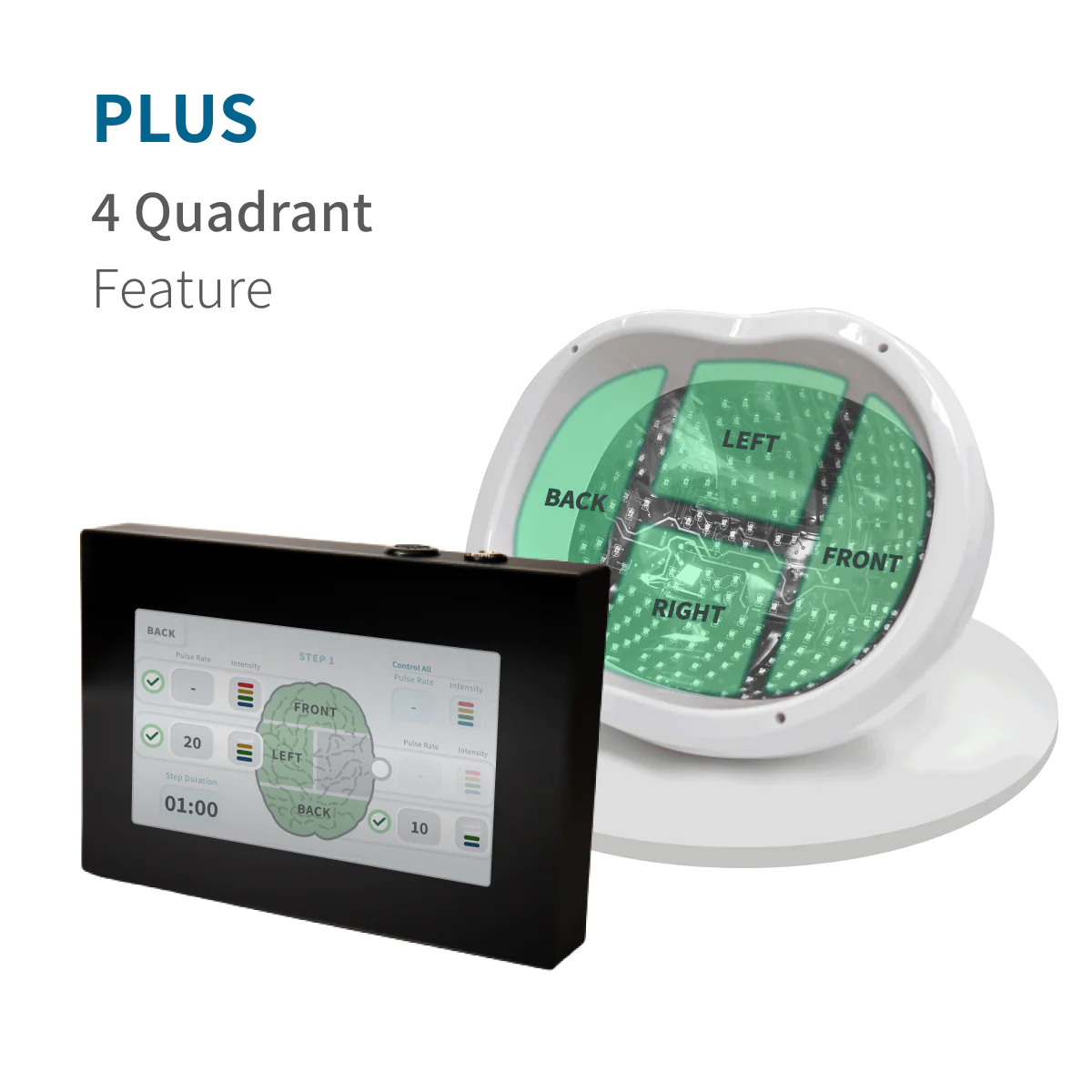
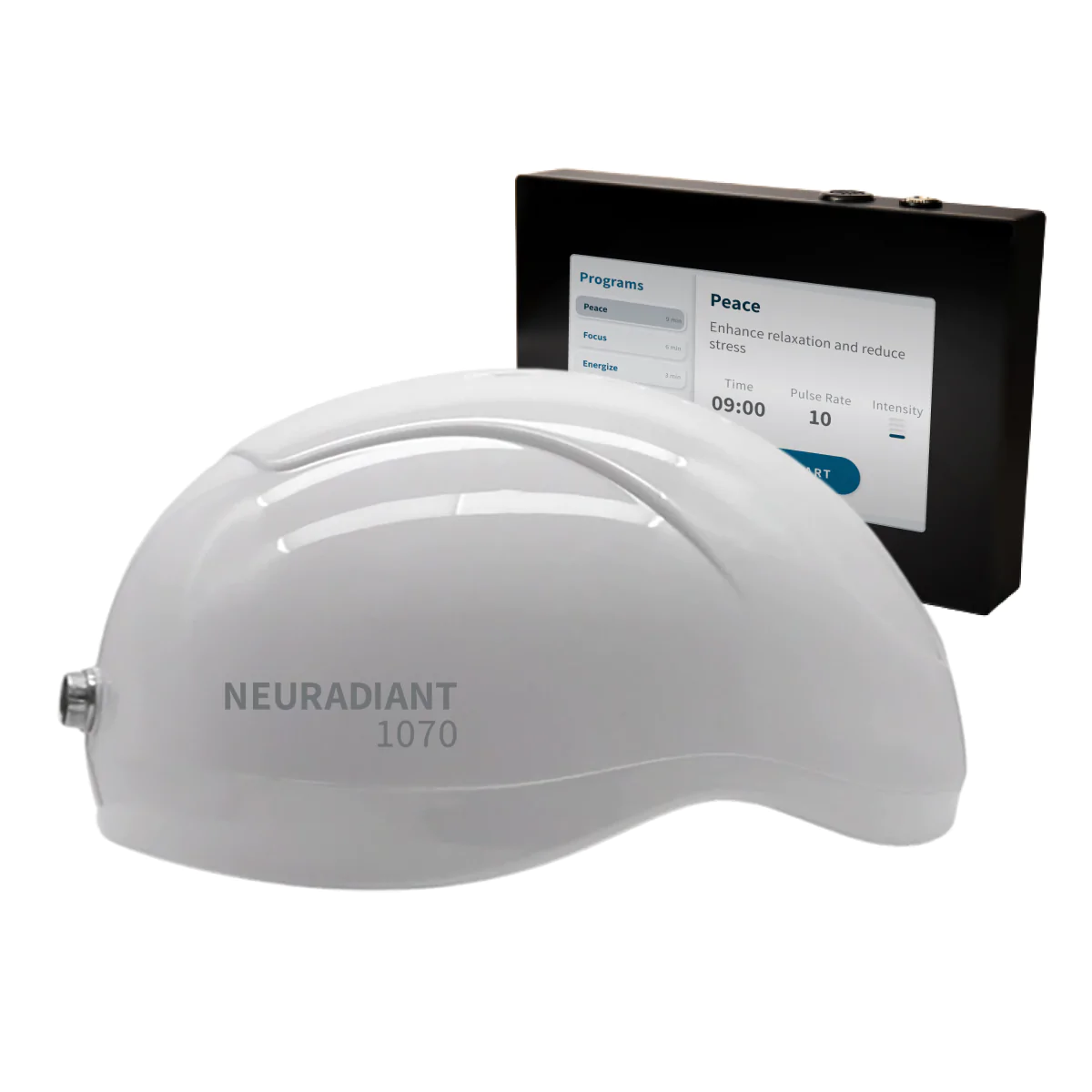
At the core of every neurofeedback session is the neurofeedback equipment, which typically consists of EEG sensors, amplifiers, and software. The EEG sensors are the key components, as they detect electrical activity from the brain and send this data to a computer system for processing.
The quality of neurofeedback equipment plays a critical role in the effectiveness of the treatment. Modern neurofeedback systems feature advanced sensors that ensure accurate readings of brainwave activity, alongside sophisticated software designed to present the feedback in a way that is engaging for the patient. For example, there are different types of neurofeedback equipment suited for various purposes, from basic brain training to more specialized therapeutic uses such as neurotherapy for traumatic brain injuries or mood disorders.
When selecting neurofeedback equipment, it’s essential for practitioners to consider factors such as the number of channels (which corresponds to the number of areas of the brain being monitored), the software’s interface, and the overall usability and reliability of the system.
Neurofeedback Technician Training
Becoming proficient in neurofeedback therapy requires specialized training. A neurofeedback technician is a professional who assists in conducting neurofeedback sessions under the guidance of a licensed therapist or clinician. These technicians must be well-versed in both the theory and practice of neurofeedback, as well as the use of neurofeedback equipment.
Read More : Biofeedback Certification
Visit Website : https://biofeedbackinternational.com/
Products : EMG Biofeedback for Physical Therapy